Pricing
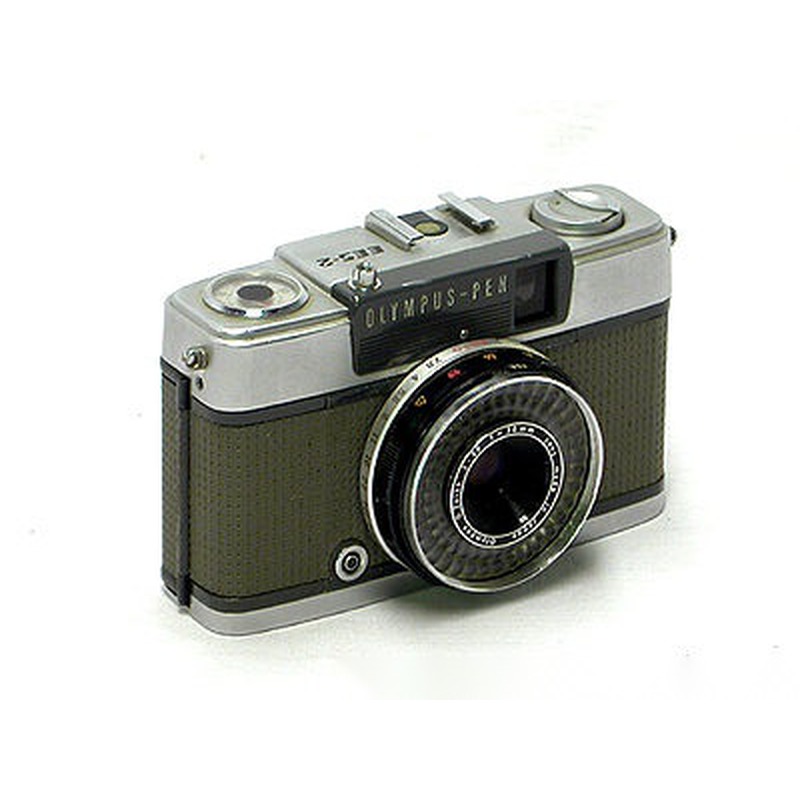
Olympus Pen EES-2
Olympus · Japan
The Olympus Pen EES-2 represents a practical evolution within Olympus's pioneering half-frame camera line. Building upon the success of the original Pen models introduced in the late 1950s, the EES-2 embodies the brand's commitment to making photography more accessible and portable. As a fixed-lens, automatic exposure model within the EES sub-series, it prioritized simplicity and ease of use over complex controls. Characterized by its compact, rangefinder-style body and a sharp Zuiko lens, it shot on standard 35mm film but produced a half-frame negative (24x18mm), effectively doubling the number of exposures per roll to 72. This design made it an unobtrusive and economical choice for everyday photographers seeking a point-and-shoot experience without bulk or significant expense.
Functionally, the EES-2 offered user-friendly automatic exposure control, likely relying on selenium or later CdS light meters coupled with programmed shutter mechanisms. Its build focused on affordability and portability, utilizing materials typical for its era of mass-market 35mm cameras. While not introducing groundbreaking technological innovations like the original Pen's half-frame concept or the Pen F's SLR capabilities, the EES-2 served as a reliable and accessible entry point into the Pen system for countless users. Its significance lies in its role within Olympus's wider strategy to democratize photography and demonstrate the viability and advantages of the half-frame format for general consumers during the 1960s and 1970s.
 Enjoy this museum? Support on Ko-fi