Pricing
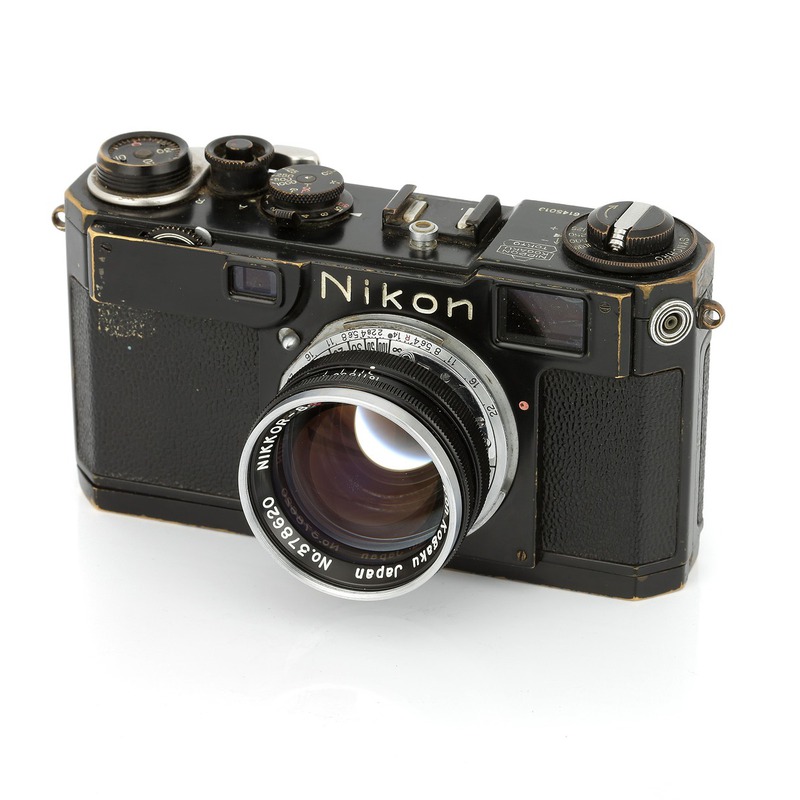
Nikon S2 black
Nikon · Japan · 1954–1958 (4 years) · 135 film
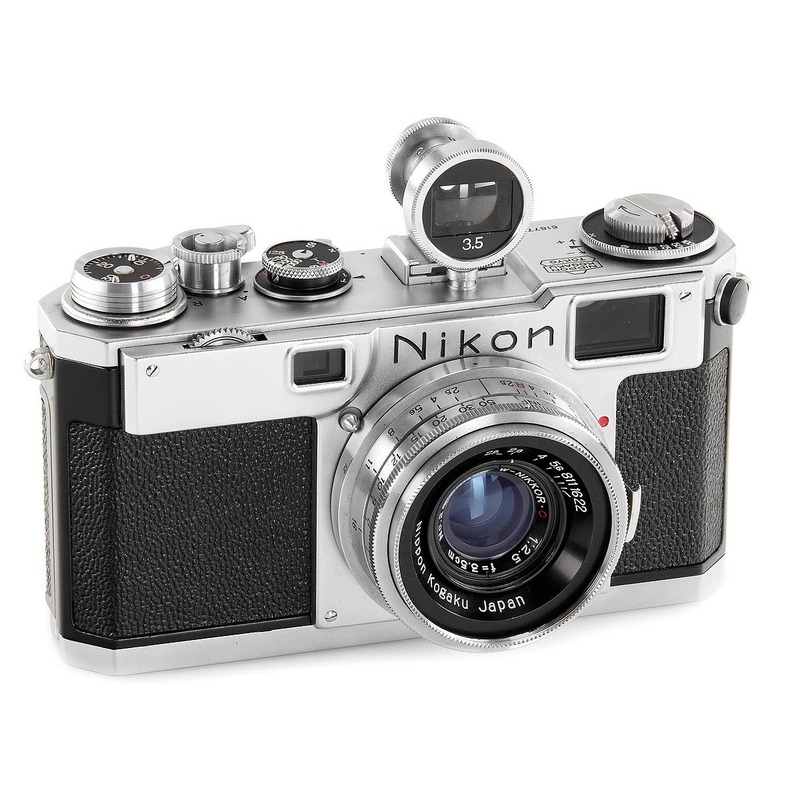
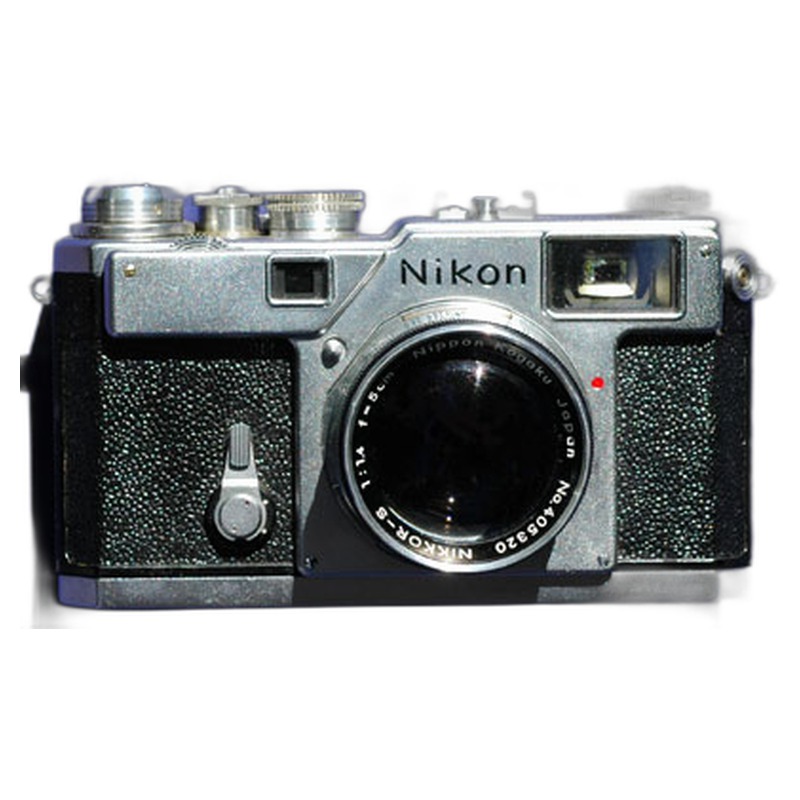
The Nikon S2 black represents a crucial refinement in Nikon's post-war rangefinder lineage, bridging the gap between the pioneering I and S series cameras and the later dominant SLR era. Released in 1954, it offered significant improvements over its predecessor, the S, featuring a bright, combined viewfinder-rangefinder system with projected frame lines and automatic parallax correction. This integration made focusing and framing significantly faster and more intuitive for the photographer. The camera retained a robust construction with a die-cast alloy body and a reliable titanium focal plane shutter offering speeds from 1 to 1/1000 second, including a 1/50 second synchronized flash speed. Equipped with a standard Nikon 50mm f/1.4 or f/2.0 lens (often a Nikkor-Q), it delivered excellent image quality characteristic of Nikon optics. The S2 was instrumental in establishing Nikon's reputation for precision engineering and reliability among photojournalists and professionals in Japan and internationally during a period when Nikon was actively competing with established European brands like Leica.
While not achieving the iconic status of later models like the Nikon F, the Nikon S2 was a technologically advanced and well-regarded camera for its time. Its combined viewfinder-rangefinder was a significant ergonomic improvement over earlier separate systems, and its overall design reflected a mature understanding of professional photographic needs. The S2 was particularly valued for its compact size relative to its capabilities and its reliable operation in demanding conditions. It served as the primary workhorse for many Japanese photographers during the mid-1950s, contributing significantly to Nikon's growing market share and expertise before the company's monumental shift to single-lens reflex design. Its production run until 1958 cemented it as a key model in Nikon's rangefinder evolution.
Specifications
| Film Format | 135 |
/main.jpg)
/main.jpg)
/main.jpg)
 Enjoy this museum? Support on Ko-fi