/main.jpg)
Pricing
Leica M4 MOT (M4-M, Fundus)
Leica · Germany · 1970 · 135 film
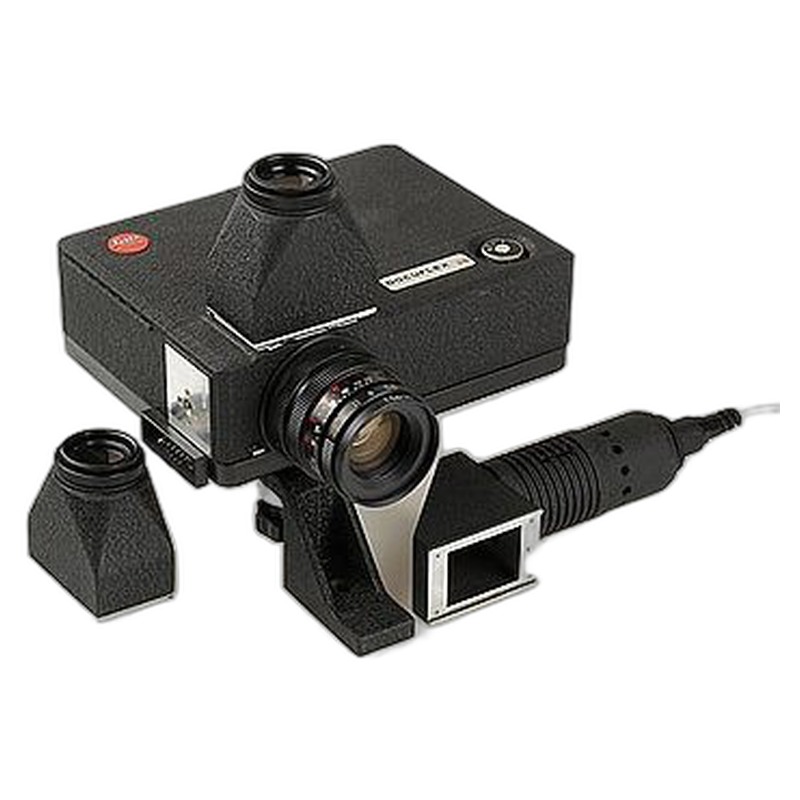
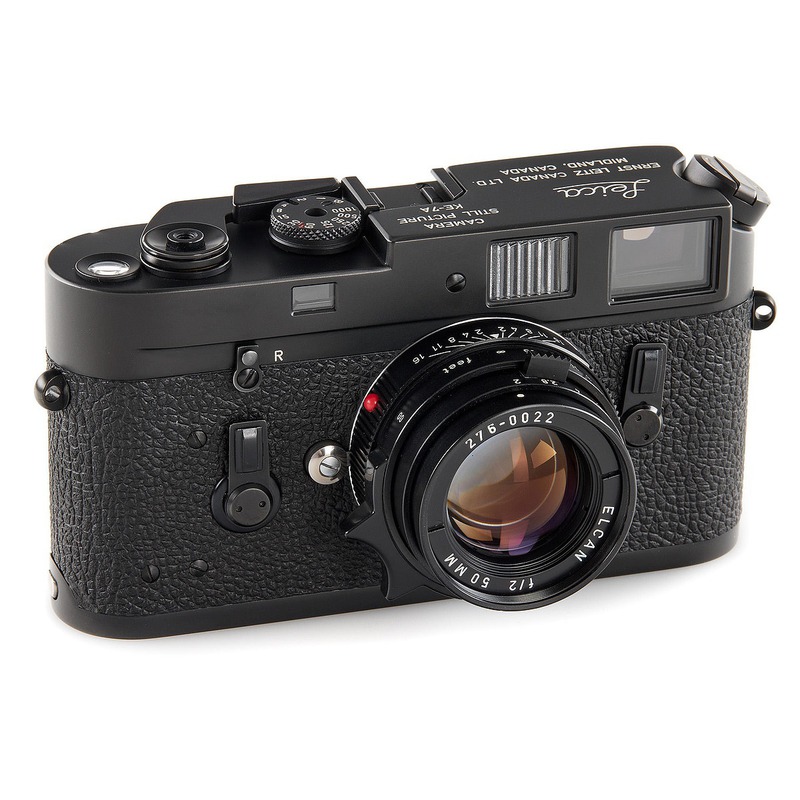
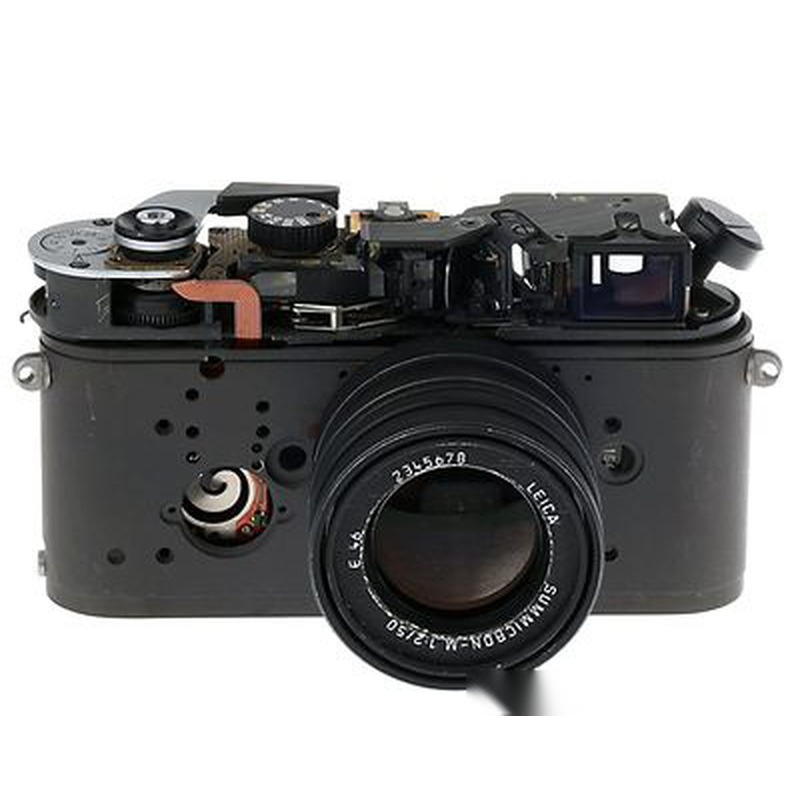
The Leica M4 MOT, also known as the M4-M or Fundus, represents a highly specialized adaptation of Leica's iconic M-series rangefinder camera. Introduced in 1970, it was a modified version of the standard M4, engineered specifically for medical fundus photography – the imaging of the retina. The camera itself retained the core features of the M4: a coupled rangefinder with brightline frames for 28mm, 35mm, 50mm, 90mm, and 135mm lenses, a cloth focal-plane shutter with speeds from 1s to 1/1000s, and the robust, precision-milled body construction characteristic of Leica. The crucial difference lay in the integrated attachments, including a specialized viewfinder system adapted for the optical path of the fundus camera lens mount and modifications to accommodate the critical illumination requirements of medical retinal imaging. Produced in limited numbers exclusively for the medical profession, it was a tool for ophthalmologists and researchers rather than general photographers.
This camera exemplifies Leica's commitment to precision engineering and its willingness to adapt its renowned camera bodies for highly specialized scientific and medical applications. While sharing the legendary build quality and reliability of the standard M4 upon which it was based, its significance is confined primarily to the history of medical imaging equipment. It represents a fascinating niche product, showcasing how a superb photographic platform was modified for a non-photographic purpose under demanding clinical conditions. Its rarity and specific function make it more a curiosity within the broader Leica M-series history than a model widely influential in general photographic practice.
Specifications
| Film Format | 135 |
/main.jpg)
/main.jpg)
/main.jpg)
 Enjoy this museum? Support on Ko-fi