/main.jpg)
Pricing
Houghton Ensignette No.1 (anastigmat, brass)
Houghton · UK · 1910 · 135 film
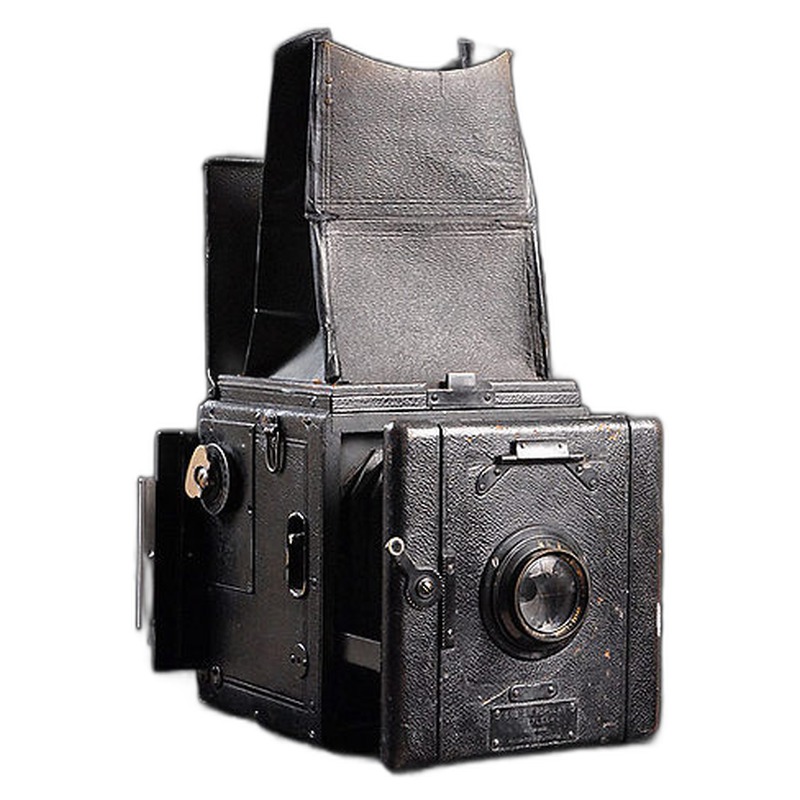
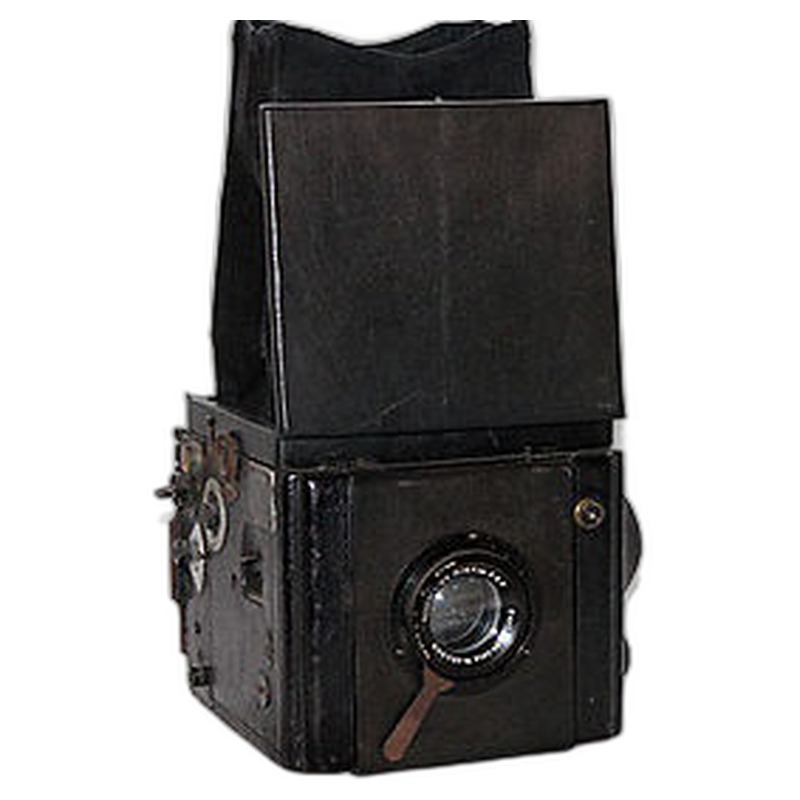
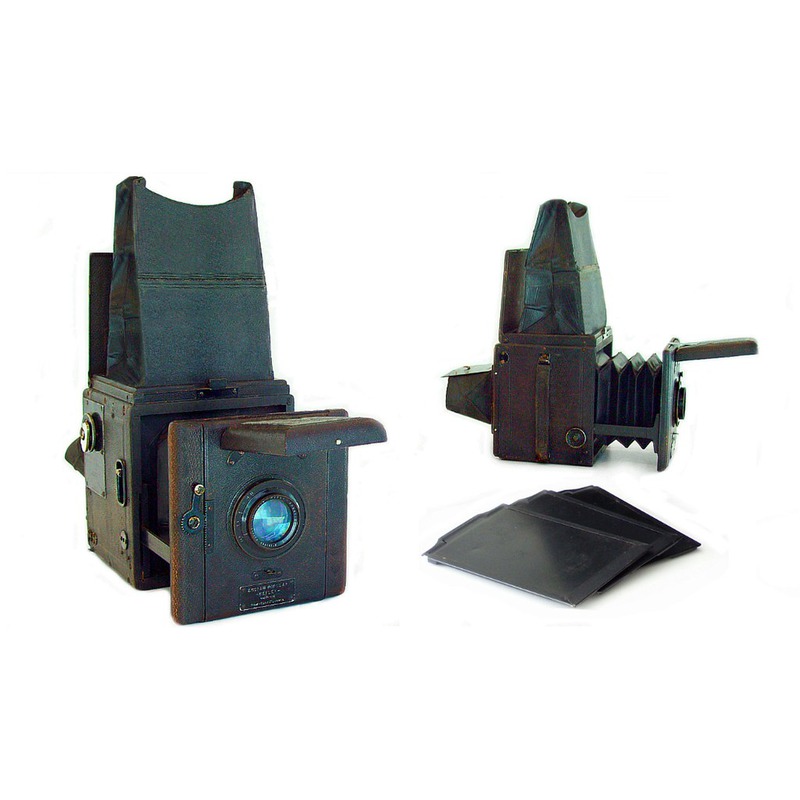
The Ensignette No.1 represents a significant, though often overlooked, early entry into the realm of compact, high-quality 35mm photography. Introduced by Houghton in 1910, it predates the groundbreaking Leica I by fifteen years and stands as one of the earliest commercially available cameras designed specifically for 35mm perforated movie film (later standardized as 135 format). Constructed from brass, it conveyed a sense of robustness typical of the era. Its key feature was the use of an "anastigmat" lens, a significant advancement over simple meniscus lenses, offering much improved sharpness and reduced distortion across the frame, promising superior image quality for such a small format. The Ensignette No.1 was essentially a folding plate camera adapted to take 35mm film cassettes, making it relatively compact for its time and potentially appealing to amateurs seeking quality and portability. While it didn't ignite a revolution like later models, it demonstrated the feasibility and market potential of miniature photography using perforated film, playing a crucial, albeit quiet, part in the evolution that would lead to the iconic miniature cameras of the 1920s and beyond.
Specifications
| Film Format | 135 |
/main.jpg)
/main.jpg)
/main.jpg)
 Enjoy this museum? Support on Ko-fi